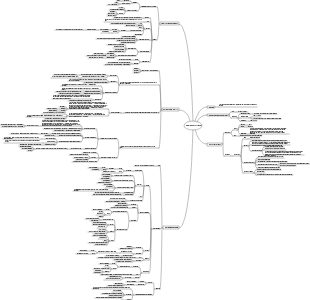
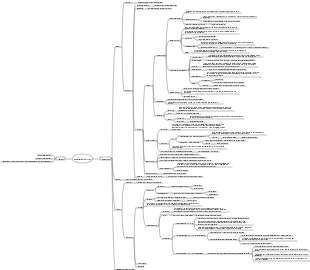
MindMap Gallery Mind map of the occurrence of cardiovascular system
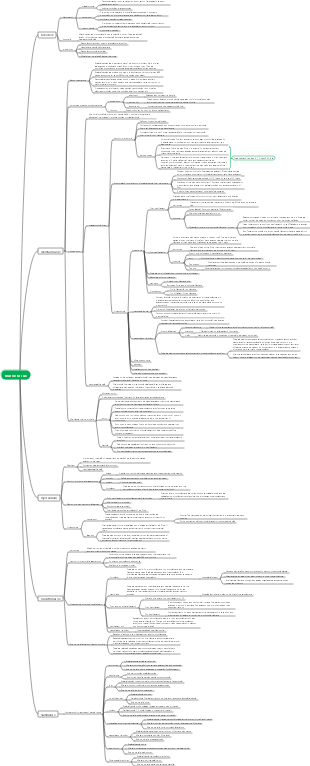
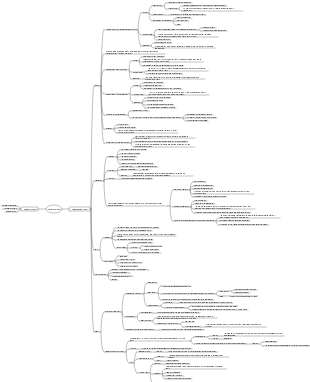
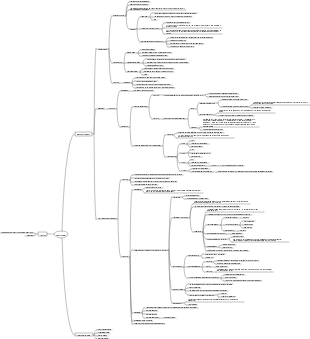
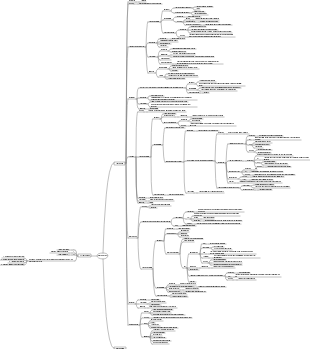
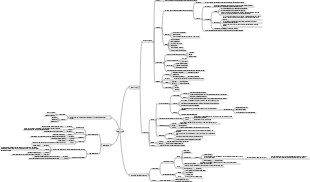
Mind map about the development of the cardiovascular system, including the establishment of the primitive cardiovascular system, the development of the heart, etc., used to organize the review of the final exam in embryology
Edited at 2023-11-09 12:04:48This is a mind map about bacteria, and its main contents include: overview, morphology, types, structure, reproduction, distribution, application, and expansion. The summary is comprehensive and meticulous, suitable as review materials.

This is a mind map about plant asexual reproduction, and its main contents include: concept, spore reproduction, vegetative reproduction, tissue culture, and buds. The summary is comprehensive and meticulous, suitable as review materials.
This is a mind map about the reproductive development of animals, and its main contents include: insects, frogs, birds, sexual reproduction, and asexual reproduction. The summary is comprehensive and meticulous, suitable as review materials.
This is a mind map about bacteria, and its main contents include: overview, morphology, types, structure, reproduction, distribution, application, and expansion. The summary is comprehensive and meticulous, suitable as review materials.
This is a mind map about plant asexual reproduction, and its main contents include: concept, spore reproduction, vegetative reproduction, tissue culture, and buds. The summary is comprehensive and meticulous, suitable as review materials.
This is a mind map about the reproductive development of animals, and its main contents include: insects, frogs, birds, sexual reproduction, and asexual reproduction. The summary is comprehensive and meticulous, suitable as review materials.
occurrence of cardiovascular system
occurrence of heart
Location
Health zone
It is formed by the convergence of some mesodermal cells at the head end of the oropharyngeal membrane at the anterior edge of the blastoderm.
The formation of the primitive heart
primitive heart primordium
pericardial cavity
heart tube
Occurrence of cardiac tubes and pericardial cavities
Cardiac area (rostral side of oropharyngeal membrane) → pericardial cavity
Cardiac cord (mesenchymal cells on the ventral side of the pericardial cavity) → heart tube (pair)
Changes in the position of the original heart
evolution
pericardial cavity→pericardial cavity
Heart tube endothelium→endocardial endothelial layer
Pericardial mesenchyme→myocardial mantle→myocardium, epicardium
Mesenchyme between heart tube endothelium and myocardial mantle layer→cardiac layer→endocardial subendothelial layer
Establishment of the heart shape (preliminarily completed in the fifth week)
Day 21
Partial fusion of the heart tube (head and tail are relatively fixed)
Head end→arterial end
tail → venous end
Day 22
Complete fusion of heart tubes
Each segment of the heart tube grows at different rates
Three enlargements
Cardiac ball (arterial ball)
ventricle
atrium
Day 23
truncus arteriosus
cephalad
Connected to aortic sac and arch artery
sinus venosus
Caudal side of atrium
Divided into left and right corners
Connected to the ipsilateral umbilical vein, vitelline vein, and common cardinal vein respectively
Day 24
The heart tube bends to form a U-shaped spherical chamber
The cardiac bulb and ventricle curve to the right, ventrally, and caudally
The atria and sinuses curve to the left, dorsally, and cranially
Day 35
The ball room trip becomes S-shaped
The heart begins to take shape
Caudal end of the cardiosphere → primitive right ventricle
primitive ventricle → primitive left ventricle
Internal Partition of the Heart (Completed by Week 7)
separation of atrioventricular canal
Atrioventricular canal → (thickening of endocardial tissue in dorsal and ventral centers) → dorsal, ventral endocardial cushions
The atrioventricular canal is divided into left and right
Local thickening of subendocardial tissue in the left and right atrioventricular canals
Left
Mitral valve
right
tricuspid valve
separation of the atria
First room partition
First room hole
The second room hole (the first room hole is closed)
Second room partition
foramen ovale
septation of ventricles
interventricular aperture
ventricular septal muscle
Ventricular septum (weekend of seventh week)
The left and right cardiac bulbar ridges, endocardial cushions and ventricular septal muscles are fused together
Interventricular pores are closed → complete interventricular septum is formed
Pulmonary trunk communicates with right ventricle
Aortic trunk communicates with left ventricle
Separation of the cardioglobus and trunk arteriosus
aortopulmonary septum
spiral
The left and right cardiomyocytes grow in opposite directions and merge with the midline
semilunar valve
Aorta, intimal tissue at the beginning of the pulmonary artery
The creation of the primitive cardiovascular system
Overview
from mesodermal mesenchyme
Occurs at the beginning of the third week
Blood circulation begins at the end of the 3rd week
The earliest system to form the body and perform the earliest functions
Features
cardiovascular
Left and right symmetry → asymmetry
cardiovascular wall
Endothelial ducts → heart, arteries, veins
Origin of primitive blood cells and extraembryonic blood vessels
The third week
Blood island → extraembryonic primitive vascular network
definition
A cell mass formed by the proliferation and differentiation of extraembryonic mesoderm cells in the yolk sac, body pedicle and chorionic villi.
structure
Periphery
Flat endothelial cells → extraembryonic capillary network
central
Round hematopoietic stem cells → blood cells
intraembryonic primitive vascular network
Endosome mesenchyme formation
primitive vascular access
Intraembryonic and extraembryonic blood vessels are connected to each other to form
intraembryonic vasculogenesis
Mesenchyme around the cleft (day 18-20) → capillaries → intraembryonic capillary network Extraembryonic capillary network → primitive cardiovascular system (week 3) → establishment of blood circulation
Composition (pairs)
intraembryonic
heart tube
A pair → merge into one → original heart
artery
abdominal aorta → aortic sac
Dorsal aorta → merge into one
→Several pairs of vitelline arteries (yolk sac wall)
→A pair of umbilical arteries (chorionic villi)
arch artery
vein
Anterior cardinal vein → common cardinal vein → heart
Posterior cardinal vein → common cardinal vein → heart
Extraembryonic
vitelline artery
vitelline vein
Umbilical artery
Umbilical vein
circulatory pathway
embryonic body cycle
Umbilical circulation
yolk sac cycle