MindMap Gallery Digestive gland mind map
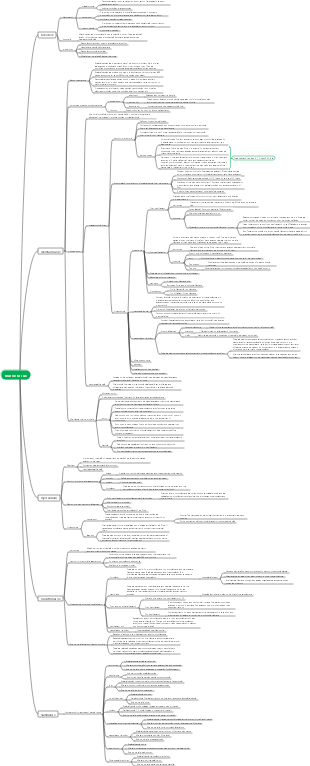
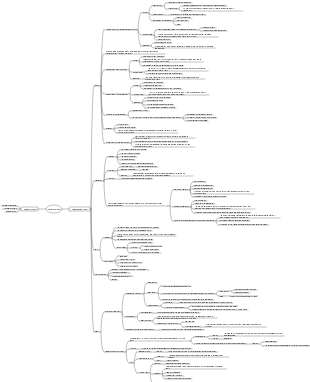
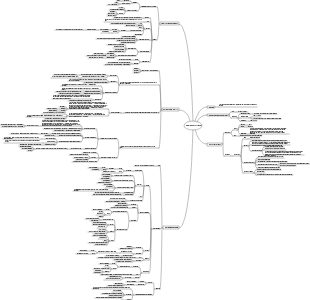
This is a mind map about digestive glands. Digestive glands secrete digestive juices and chemically digest food. They are divided into large digestive glands, small digestive glands, etc. Used to organize embryology final exam review
Edited at 2023-11-09 12:04:16This is a mind map about bacteria, and its main contents include: overview, morphology, types, structure, reproduction, distribution, application, and expansion. The summary is comprehensive and meticulous, suitable as review materials.

This is a mind map about plant asexual reproduction, and its main contents include: concept, spore reproduction, vegetative reproduction, tissue culture, and buds. The summary is comprehensive and meticulous, suitable as review materials.
This is a mind map about the reproductive development of animals, and its main contents include: insects, frogs, birds, sexual reproduction, and asexual reproduction. The summary is comprehensive and meticulous, suitable as review materials.
This is a mind map about bacteria, and its main contents include: overview, morphology, types, structure, reproduction, distribution, application, and expansion. The summary is comprehensive and meticulous, suitable as review materials.
This is a mind map about plant asexual reproduction, and its main contents include: concept, spore reproduction, vegetative reproduction, tissue culture, and buds. The summary is comprehensive and meticulous, suitable as review materials.
This is a mind map about the reproductive development of animals, and its main contents include: insects, frogs, birds, sexual reproduction, and asexual reproduction. The summary is comprehensive and meticulous, suitable as review materials.
digestive glands
Function
Secrete digestive juices to chemically digest food
endocrine
large digestive gland
salivary glands
General structure
compound duct alveolar gland
capsule divided into lobules
There are myoepithelial cells between glandular cells and some ductal epithelial cells and the basement membrane.
catheter
Leap tube
Single layer squamous epithelium/single layer cuboidal epithelium
The beginning of the duct, directly connected to the acinus
thin
Striatal duct (secretory duct)
single layer tall columnar epithelium
LM: The nucleus is rounded at the top, the cytoplasm is eosinophilic, and the base is vertically striated.
EM: Plasma membrane infoldings and mitochondria (increases the surface area at the base of the cell, which facilitates water and electrolyte transport between cells and tissues)
interlobular duct and common duct
Simple columnar epithelium→pseudostratified columnar epithelium
striated ducts merge into
interlobular duct: connective tissue between lobules
Common duct: opens into the mouth
Classification
parotid gland
pure serous gonads
Intercalary canal is long, striate canal is short
Secretions containing salivary amylase
submandibular gland
Mixed gonads, serous acini and mixed acini are numerous,
Intercalary ducts are short and striated ducts are well developed
salivary amylase, mucus
sublingual gland
Mixed gonads, predominantly mucinous acini
Intercalated ducts absent, striate ducts short
slime
Function
salivation
Lubricate mouth and food (mucus and water)
Digest starch (salivary amylase)
Sterilizes and fights viruses (lysozyme and interferon)
Plasma cells in the stroma secrete IgA, immune protection
pancreas
structure
membrane
thin layer of connective tissue
substance
exocrine department
Function
Secretes pancreatic juice (digestive enzymes), alkaline fluid
Digestive enzymes (pancreatic alveolar cells)
Water and electrolytes (ductal epithelial cells)
structure
pure serous ductal-alveolar gland
acini
pancreatic alveolar cells
Basophilic base, no myoepithelial cells
Secretes a variety of digestive enzymes
Trypsinogen, chymotrypsinogen (activated by enterokinase in the small intestine into active trypsin and chymotrypsin)
Pancreatic lipase, nuclease
vesicular heart cells
Epithelial cells at the beginning of the intercalated duct extending into the acinar lumen
Nucleus is round or oval, cytoplasm is lightly stained
catheter
Intercalated duct (long) (single layer flat/single layer cuboidal) → intralobular duct (single layer cuboidal epithelium) → interlobular duct (single layer columnar epithelium) → main duct (single layer tall columnar epithelium goblet cells) → and biliary duct The common ducts join at the head of the pancreas and open into the duodenal papilla
Secrete water and electrolytes
Endocrine department (islets of pancreas)
structure
Endocrine cells are arranged in clusters and distributed between acini
HE: The staining is light and the cell type cannot be distinguished (identified by immunohistochemistry)
Classification
A cells
20%
Pancreatic islet periphery
secrete glucagon
B cells
70%
central part of pancreatic islet
secrete insulin
D cells
5%
Pancreatic islet periphery
secrete somatostatin
Acts on A, B, PP cells via gap junctions, inhibiting
PP cells
Pancreatic islet periphery
secrete pancreatic polypeptide
Inhibit gastrointestinal motility, pancreatic juice secretion and gallbladder contraction
Liver (largest digestive gland)
Function
Synthesizes a variety of proteins and lipids, processes and stores nutrients
Produces bile and participates in the digestion of lipids
Participate in the metabolism of sugar, lipids, hormones, and drugs
Detoxification and defense functions
structure
membrane
dense connective tissue
Most of the serosa, the grooves below the liver, the fossa and the upper and posterior part of the right lobe are fibrous membranes
Hepatic lobules (the basic structural unit of the liver)
central vein
Incomplete pipe wall
→Sublobular veins→Hepatic veins
Liver plates (liver cords)
Hepatocytes are an uneven plate-like structure arranged radially with the central vein as the center, and are cord-like in section.
The liver plate surrounding the liver lobules is called the boundary plate
Hepatocyte
Polyhedral shape, large round nucleus in the center, 1 to several nucleoli, many binucleated cells
Cytoplasm eosinophilic with diffusely distributed basophilic masses
Functional aspect
Sinusoidal surface
microvilli
Cell junction surface
tight connection
desmosomes
gap junction
bile canaliculi
microvilli
rough endoplasmic reticulum
plasma proteins
smooth endoplasmic reticulum
enzyme system
Bile synthesis, lipid metabolism, glucose metabolism, hormone metabolism, transformation of organic foreign matter absorbed from the intestine
golgi apparatus
protein processing
bile secretion
Mitochondria, lysosomes, peroxisomes, glycogen, lipid droplets
liver sinusoids
Endothelial cells
Endothelial window, no septum
No base film
liver macrophages
structure
Irregular morphology, eosinophilic cytoplasm, wrinkles, microvilli
lysosome, phagosome, phagosome
source
blood monocytes
Function
Remove antigenic foreign matter and senescent cells entering the liver from the portal vein, and monitor tumors
NK cells/intrahepatic large granular lymphocytes
nuclear reniform lateralization
More lysosomes
Resist virus infection and prevent tumor liver metastasis
perisinus space
The narrow area between liver sinusoidal endothelium and liver plate
filled with plasma
The place where liver cells and blood exchange substances
Lipid storage cells/hepatic stellate cells
store fat
Vitamin A metabolism
bile canaliculi
Microscopic channels formed by local membrane depressions of two adjacent hepatocytes
Silver staining
gate area
Triangular or oval-shaped connective tissue areas between adjacent liver lobules
interlobular artery
interlobular veins
interlobular bile duct
single layer cube
intrahepatic blood circulation
Hepatic bile formation and elimination pathways
small digestive gland
minor salivary glands
Esophageal gland
gastric glands
intestinal glands