MindMap Gallery Neural tissue mind map
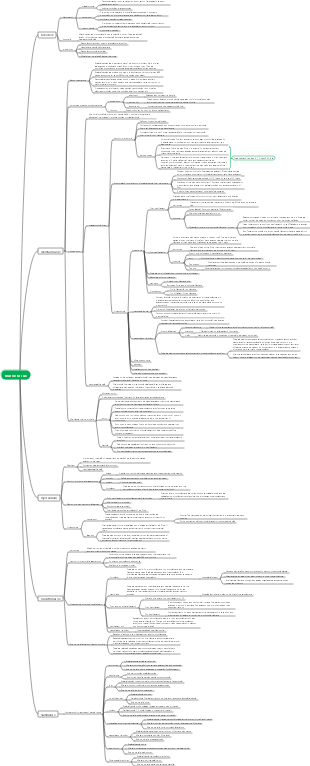
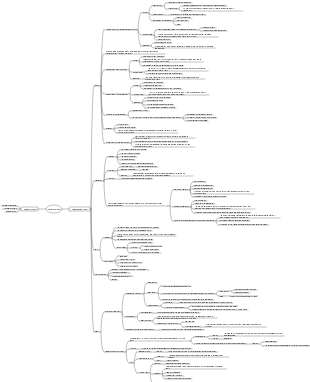
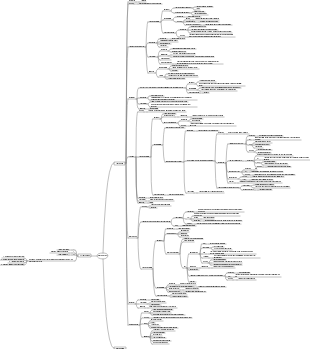
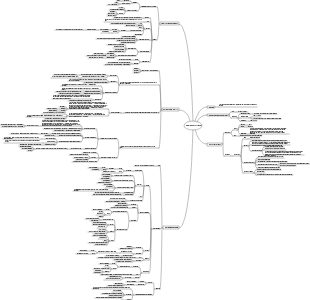
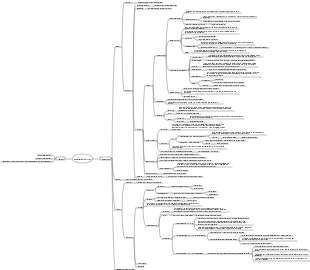
Regarding the mind map of nervous tissue, it includes nervous tissue, nerve fibers (long-axis glial cells), nerve endings, etc. Used to organize embryology final exam review!
Edited at 2023-11-09 12:03:08This is a mind map about bacteria, and its main contents include: overview, morphology, types, structure, reproduction, distribution, application, and expansion. The summary is comprehensive and meticulous, suitable as review materials.

This is a mind map about plant asexual reproduction, and its main contents include: concept, spore reproduction, vegetative reproduction, tissue culture, and buds. The summary is comprehensive and meticulous, suitable as review materials.
This is a mind map about the reproductive development of animals, and its main contents include: insects, frogs, birds, sexual reproduction, and asexual reproduction. The summary is comprehensive and meticulous, suitable as review materials.
This is a mind map about bacteria, and its main contents include: overview, morphology, types, structure, reproduction, distribution, application, and expansion. The summary is comprehensive and meticulous, suitable as review materials.
This is a mind map about plant asexual reproduction, and its main contents include: concept, spore reproduction, vegetative reproduction, tissue culture, and buds. The summary is comprehensive and meticulous, suitable as review materials.
This is a mind map about the reproductive development of animals, and its main contents include: insects, frogs, birds, sexual reproduction, and asexual reproduction. The summary is comprehensive and meticulous, suitable as review materials.
nervous tissue
nerve endings
sensory nerve endings
free nerve endings
distributed
Epidermis, cornea, various connective tissues
Function
Feeling the stimulation of temperature, stress and certain chemical substances, producing hot and cold, light touch and pain sensations
tactile corpuscle
distributed
Dermal papillae, most common on fingers
Function
produce tactile sensation
toroidal body
distributed
subcutaneous tissue, peritoneum, mesentery, ligaments and joint capsules
Function
Pressure and vibration sensation
Muscle cord
distributed
skeletal muscle
Function
Proprioceptors play an important role in regulating skeletal muscle activity
motor nerve endings
Somatic motor nerve endings (motor endplate/neuromuscular junction)
distributed
skeletal muscle
structure
The axon branches repeatedly, and each branch forms a grape-like terminal and establishes a synaptic connection with the skeletal muscle. This connection area is an oval plate-like bulge.
Function
innervates skeletal muscles
motor unit
A motor neuron and all the skeletal muscle fibers it innervates
visceral motor nerve endings
distributed
Myocardial viscera and vascular smooth muscle, glands
Function
Controls and regulates muscle cell contraction and gland secretion
Nerves (collections of coherent nerve fiber bundles within the peripheral nervous system)
Classification
feeling, movement
marrowed, marrowless
structure
epineurium
perineurium
endoneurium
nervous tissue
Nerve cells (neurons)
Function
Receive stimulation, integrate information, and conduct nerve impulses
structure
Cell body (the nutritional and metabolic center of the neuron)
distributed
Cortex of cerebrum and cerebellum, gray matter of brainstem and spinal cord, ganglia
structure
cell nucleus
The nucleus is large and round in the center, with obvious nuclear envelope, abundant euchromatin, light staining, and clear, large and round nucleoli.
Cytoplasm
Nislsite
LM: Strongly basophilic, thick plaques and small granules
EM: rough endoplasmic reticulum and free ribosomes
Function: Synthesize structural proteins required for replicating organelles, enzymes required for synthesizing neurotransmitters, and neuromodulators
neurofibrils
LM: It is difficult to distinguish with HE staining. Silver-plated staining shows brown and black filaments interconnecting into a network and extending into axons or dendrites.
EM: composed of neurofilaments (neurofilament protein) and microtubules (microtubule-associated protein 2)
Function: Constitutes the cytoskeleton of neurons and participates in material transport
Mitochondria, Golgi apparatus, lysosomes, lipofuscin
The cell membrane contains receptors, ion channels, and is an excitable membrane
dendrites
One or more, with branches
dendritic spines
Receive stimulation and transmit impulses to the cell body
axon
one, thin, branched
Have side branches
Axis hillock (no Nislsite)
axon terminal
axon membrane, axoplasm
Function: conduct nerve impulses
Classification
According to the number of protrusions
Multistage
bipolar
pseudo-unipolar
According to axon length
Golgi type 1
Golgi type II
by function
Feeling (pseudo-unipolar)
Movement (multiple levels)
Intermediate (multi-level)
Chemical properties of neurotransmitters and neuromodulators released by neurons
synapse
structure
presynaptic component
presynaptic membrane
synaptic cleft
postsynaptic component
postsynaptic membrane
distributed
Between neurons and neurons, between neurons and effector cells
Signal
Chemical
Neurotransmitters
electricity
current, gap junction
Classification
Shaft
axis tree
axospinus
Glial cells
center
Astrocyte (maximum)
Classification
Plasma
gray matter of brain and spinal cord
The protrusions are short and thick, with many branches and few colloid filaments.
fibrous
white matter of brain and spinal cord
The protrusions are long and straight, with few branches and many glial filaments.
structure
The cytoplasm is star-shaped, the nucleus is round or oval, and the staining is light.
Glial filaments (intermediate filaments, involved in the formation of the cytoskeleton)
Foot plate (forms the colloid membrane)
Function
Glial membrane that forms the blood-brain barrier or forms the neural boundary membrane
blood brain barrier
capillary endothelial cells
basement membrane
Astrocyte processes form glial membrane
Proliferation repairs damaged areas
Oligodendrocytes (central nervous system myelin)
structure
The cell body is smaller than astrocytes, the nucleus is oval, the chromatin is dense, and there are few processes.
Function
central nervous system myelin sheath
Microglia (minimum)
structure
The cell body is elongated or oval, the nucleus is small, flat or triangular, and the staining is dark.
source
blood monocytes
Function
Transform into macrophages when the nervous system is injured
Ependyma
structure
Single layer of epithelium lining the lumen of the ventricles and central canal of the spinal cord
Cubic or cylindrical, with microvilli and a few cilia, which help the flow of cerebrospinal fluid
Function
Choroid plexus ependymal cells produce cerebrospinal fluid
Protects, insulates, induces regeneration of nerve fibers
around
Schwan
Peripheral nervous system myelin-forming cells
satellite
Neuron cell body wrapped in ganglion
Function
Supports, nourishes, insulates, and protects nerve cells
Nerve fibers (long axons, glial cells)
Classification
myelinated nerve fibers
around
Lang Feijie
internodal body
Schwann cells
third floor
medial cytoplasm
The multiple layers of cell membranes in the middle layer are concentrically wound to form the myelin sheath.
Light and dark plates are layered under EM
Chemical composition: Most of myelin, a small amount of protein (HE staining dissolves myelin, acid staining can preserve myelin and make myelin black)
outer cytoplasm
Contains nucleus
Myelin notch (not stained)
In Schwann cells, the narrow channel through which the outer cytoplasm passes through the myelin sheath
center
A cell body surrounds several axons, and the cell body is located between nerve fibers
No myelin notch
No base film
unmyelinated nerve fibers
around
One Schwann cell surrounds several axons
No myelination
Wu Lang Feijie
center
No specific glial cells wrapped, naked
Function
conduct nerve impulses
Marrowed (Langfei knot, fast)
Unmyelinated (axial membrane, slow)