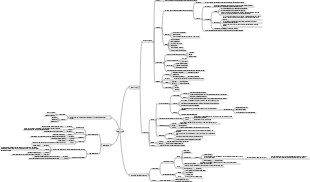
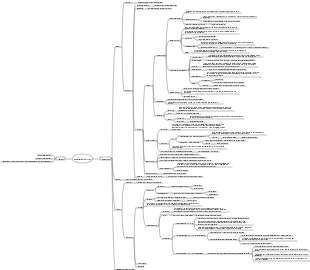
MindMap Gallery Embryology overview mind map
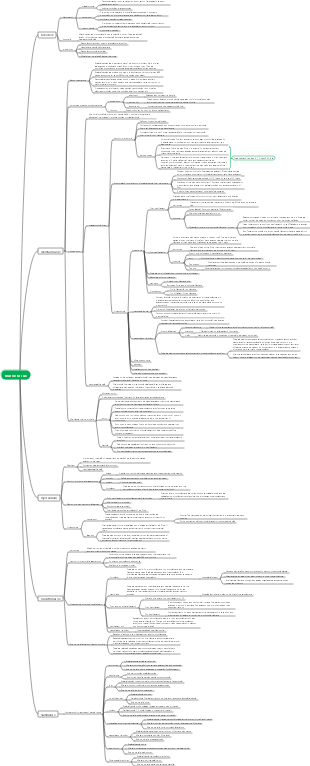
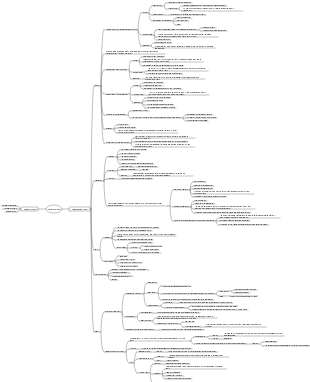
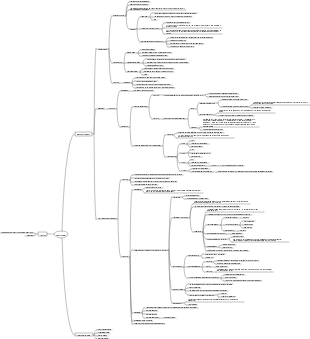
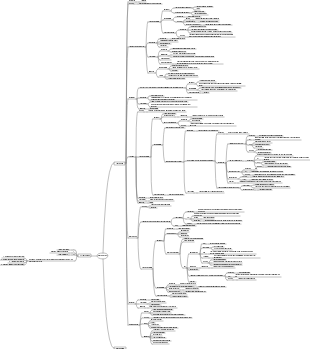
The mind map of the general introduction to embryology is to study the process and mechanism of development from a fertilized egg to a newborn individual, and is used to organize the review of the final exam of embryology!
Edited at 2023-11-09 12:02:35This is a mind map about bacteria, and its main contents include: overview, morphology, types, structure, reproduction, distribution, application, and expansion. The summary is comprehensive and meticulous, suitable as review materials.

This is a mind map about plant asexual reproduction, and its main contents include: concept, spore reproduction, vegetative reproduction, tissue culture, and buds. The summary is comprehensive and meticulous, suitable as review materials.
This is a mind map about the reproductive development of animals, and its main contents include: insects, frogs, birds, sexual reproduction, and asexual reproduction. The summary is comprehensive and meticulous, suitable as review materials.
This is a mind map about bacteria, and its main contents include: overview, morphology, types, structure, reproduction, distribution, application, and expansion. The summary is comprehensive and meticulous, suitable as review materials.
This is a mind map about plant asexual reproduction, and its main contents include: concept, spore reproduction, vegetative reproduction, tissue culture, and buds. The summary is comprehensive and meticulous, suitable as review materials.
This is a mind map about the reproductive development of animals, and its main contents include: insects, frogs, birds, sexual reproduction, and asexual reproduction. The summary is comprehensive and meticulous, suitable as review materials.
General Introduction to Embryology
fetal membranes and placenta
effect
protection, nutrition, respiration, excretion
fetal membrane
chorion
chorionic plate
composition
outside
Trophoblast
outside
syncytiotrophoblast
Inside
cytotrophoblast
Inside
extraembryonic mesoderm
velvet trunk
Primary villous shaft is formed at 2 weeks
syncytiotrophoblast
cytotrophoblast
Secondary villous shaft formed at 3 weeks
syncytiotrophoblast
cytotrophoblast
extraembryonic mesoderm
Third-level villi are formed at 4 weeks
syncytiotrophoblast
cytotrophoblast
The appearance of blood vessels and connective tissue in the extraembryonic mesoderm
cytotrophoblast shell
Make the chorion and uterine decidua firmly connected
intervillous space
Evolution of prototrophoblast lacunae containing maternal blood
Fluff
The evolution of the chorion
Smooth chorion (including decidua)
dense chorion (decidua basalis → placenta)
amniotic membrane
composition
amniotic epithelium
extraembryonic mesoderm
Features
Thin, tough, translucent and avascular
significance
form the original umbilical cord
outside
amniotic membrane
Inside
yolk sac
body pedicle
allantois
produce amniotic fluid
Source of amniotic fluid
Amniotic epithelial secretion
fetal metabolites
way out
Amniotic epithelial absorption
early fetal surface absorption
Fetal swallowing
quantity
1000~1500ml
<500ml→Deformity of hands and feet
>2000ml→No brain child
effect
Conducive to fetal development
Prevent adhesion
buffer
Flush the birth canal and dilate the cervix
Cytology (amniocentesis)
yolk sac
composition
endoderm
extraembryonic mesoderm
significance
hematopoietic stem cells
Extraembryonic mesoderm→blood island
outside
Endothelial cells
Inside
hematopoietic stem cells
primordial germ cells
Yolk sac endoderm formation
allantois
form
The blind sac that extends laterally into the body pedicle from the tail of the yolk sac
significance
Two allantoic arteries→umbilical artery 2
Two allantoic veins→umbilical vein 1
umbilical cord
composition
original umbilical cord
outside
amniotic membrane
Inside
yolk sac
Body pedicle → connective tissue
allantois
Umbilical vein
Umbilical artery
effect
Bridge, exchange material with maternal blood in the intervillous space
structure
40~60cm long
Placental abruption <35cm
>80cm umbilical cord around neck
placenta
structure
fetal face
amniotic membrane
maternal side
decidua basalis
placental septum
intervillous space: maternal blood
Placental barrier (placental membrane)
The structure through which fetal blood and maternal blood exchange substances in the placenta
composition
syncytiotrophoblast
Cytotrophoblast and its basement membrane
intravillous connective tissue
Intravillous capillary endothelium and basement membrane
Function
Germ layer formation (weeks 2-3)
Inner cell mass → three germ layers
endoderm
mesoderm
ectoderm
The formation of the diblast blastoderm and its structure (during the second week of blastocyst implantation)
inner cell mass
Tall columnar cells adjacent to the trophoblast—epiblast
Amniotic cavity (between epiblast and trophoblast)
Cuboidal cells near the blastocyst cavity—hypoblast
Yolk sac (extended proliferation of marginal hypoblast cells)
blastoderm
A disk-like structure formed by the floor of the amniotic cavity (epiblast) and the top of the yolk sac (hypoblast)
It is the primordium of human embryonic development
extraembryonic mesoderm
Cytotrophoblast proliferates and fills the blastocyst cavity → extraembryonic mesoderm
Later, a cavity appears between extraembryonic mesoderm cells → extraembryonic coelom
extraembryonic visceral mesoderm
Attached to the outside of the yolk sac and amniotic sac
extraembryonic body wall mesoderm
Attached to the inner surface of the trophoblast
body pedicle
The part of the extraembryonic mesoderm that connects the extraembryonic visceral wall mesoderm and the extraembryonic body wall mesoderm is getting narrower and narrower, and is called the body pedicle.
will develop into the main part of the umbilical cord
Formation of the three germ layer blastoderm and related structures (week 3)
Derived from epiblast
[Primitive streak] (determines the head-to-caudal direction and central axis of the embryo: the end of the primitive streak is the tail end) → A shallow groove appears in the midline of the primitive streak [primitive groove] → The epiblast cells at the bottom of the primitive groove proliferate, and some cells are in the upper and lower parts of the original groove. Spread between hypoblast → [Intraembryonic mesoderm] (oropharyngeal membrane, cloacal membrane)
mesoderm
endoderm
Hypoblast is replaced
ectoderm
epiblast renamed
Cell proliferation at the head end of the primitive streak → [primordial node] → primitive node cell depression → [primary concave] → primitive concave protrudes toward the head and extends → [notochord]
Notochord degenerates into disc nucleus pulposus
Notochord, oropharyngeal membrane, cloacal membrane without intraembryonic mesoderm
The notochord is the primordium of the spine
Differentiation of the three germ layers and embryonic body formation (4th to 8th week)
Differentiation of the three germ layers
Ectodermal differentiation
The notochord induces the ectodermal cells above it to form the [neural plate] → the middle of the neural plate sinks to form the [neural groove] → the neural groove sinks, the neural plate changes to form the [neural fold] → the neural folds fuse, and the neural groove closes to form the [neural tube] → anterior The neuropore closes to form the brain, and the posterior neuropore closes to form the spinal cord.
Central Nervous System
Anterior neural foramina not fused → anencephaly
Posterior neuroforamen not fused → spina bifida
Lateral border cells of the neural plate → neural crest → peripheral nervous system
Other surface ectoderm → epidermis and skin appendages
mesoderm differentiation
Mesoderm on both sides of the notochord - paraaxial mesoderm
body segments
Dorsal skin dermis, axial skeleton (spine), skeletal muscles
Lateral somite mesoderm-intermediate mesoderm
genitourinary system
Intermediate mesoderm lateral-lateral mesoderm
body wall mesoderm
The skin, dermis, bones, skeletal muscles and connective tissues of the chest, abdomen and limbs
visceral mesoderm
Muscle tissue, connective tissue, mesothelium of the digestive and respiratory systems
intraembryonic coelom
pericardial cavity, pleural cavity, peritoneal cavity
endoderm differentiation
primitive digestive tube
Epithelium of organs such as digestive system and respiratory system
oropharyngeal membrane
tail cloacal membrane
yolk sac
Embryo body formation (5-8 weeks)
Blastoderm (flat → cylindrical)
Growth rate
Cephalic side>Caudal side→Cranial fold
Ectoderm>Endoderm→Tailfold
Middle>Edge→Side pleats
The embryonic body protrudes into the amniotic cavity
Blastocyst formation and implantation
Cleavage and blastocyst formation
cleavage
blastomere
oviduct
Morula (third day)
Uterus
12 to 16 blastomeres
Blastocyst (fourth day)
100 cells
The zona pellucida disappears
structure
Trophoblast
inner cell mass
blastocyst cavity
implant
definition
The process by which the blastocyst enters the endometrium
time
It begins on the 5th to 6th day after fertilization and is completed on the 11th to 12th day.
process
stick
Extreme trophoblast adheres to endometrial epithelium
dissolve
proteolytic enzyme
Enter
Growth and differentiation
Trophoblast
Outer layer
syncytiotrophoblast
trophoblast lacunae
Communicates with small blood vessels in the endometrium
inner layer
cytotrophoblast
epithelial repair
Implantation conditions
The zona pellucida disappears
Estrogen and progesterone are normal and the endometrium is in the secretory phase
The blastocyst enters the cavity on time
Normal intrauterine environment
Endometrial changes
decidual reaction
Increased secretion of uterine glands
increased blood supply
Thickness increases
stromal cells called decidual cells
decidua (endometrium after implantation)
decidua basalis
Deep side of embryo
decidua
Covers the uterine cavity side of the embryo
parietal decidua
decidua of the rest of the uterus
Implantation site
normal
uterine fundus, uterine body
abnormal
Cervix - placenta previa - dystocia, heavy bleeding
Outside the uterus—ectopic pregnancy—heavy bleeding
Embryology
Study the process and mechanism of development from a fertilized egg to a newborn individual
Embryonic Development Time and Stages
time
38 weeks, 266 days
installment
preembryonic stage
Fertilization - end of second week (diblast formation)
embryonic stage
Week 3 - Week 8
At the end of the eighth week, the embryo begins to take shape.
fetal period
Week 9 – Birth
Germ cells and fertilization
germ cells
sperm
produce
testis
Mature
epididymis
capacitation
There is glycoprotein attached to the sperm head, which can prevent the release of acrosome enzyme. There are enzymes in the female reproductive tract that can degrade this glycoprotein. Only when the sperm passes through the female reproductive tract can it finally gain the ability to fertilize. This process is called capacitation.
egg
Secondary oocyte (minus secondary metaphase)
fertilization
fertilized egg
parts
fallopian tube ampulla
process
Sperm releases acrosome enzymes that dissociate corona radiata follicle cells
Sperm binds to the sperm receptor ZP3 in the zona pellucida and releases acrosome enzyme to form a pore in the zona pellucida (acrosomal reaction-sperm releases acrosome enzyme to dissolve the corona radiata and zona pellucida)
Sperm and egg union
The sperm cell nucleus enters the oocyte
Secondary oocyte completes second meiosis
The male pronucleus and the female pronucleus are formed and fused, and a fertilized egg is formed (zona pellucida reaction: the egg releases cortical granzyme, which changes the structure of the zona pellucida, especially denatures zp3, preventing polyspermic fertilization)
fertilization conditions
Sperm development is normal and the number is sufficient
Sperm must be capacitated
Egg development is normal, estrogen and progesterone are normal
Sperm and egg meet within a limited time
Sperm (within 20 hours after entering the female reproductive tract)
Egg (within 12 hours after ovulation)
Unobstructed male and female reproductive tracts
fertilization meaning
Recovering diploid karyotype, inheritance and variation
determine gender
Fertilization marks the beginning of new life and initiates embryonic development