MindMap Gallery Anatomy and Physiology - Lymph Nodes and Lymphatic Vessels
Mind map of the eighth edition of the Anatomy and Physiology Human Health Textbook, including head and facial lymph nodes, Cervical lymph nodes, cervical lymphatic trunks and lymphatic ducts, etc.
Edited at 2023-12-04 10:35:11This is a mind map about bacteria, and its main contents include: overview, morphology, types, structure, reproduction, distribution, application, and expansion. The summary is comprehensive and meticulous, suitable as review materials.

This is a mind map about plant asexual reproduction, and its main contents include: concept, spore reproduction, vegetative reproduction, tissue culture, and buds. The summary is comprehensive and meticulous, suitable as review materials.
This is a mind map about the reproductive development of animals, and its main contents include: insects, frogs, birds, sexual reproduction, and asexual reproduction. The summary is comprehensive and meticulous, suitable as review materials.
This is a mind map about bacteria, and its main contents include: overview, morphology, types, structure, reproduction, distribution, application, and expansion. The summary is comprehensive and meticulous, suitable as review materials.
This is a mind map about plant asexual reproduction, and its main contents include: concept, spore reproduction, vegetative reproduction, tissue culture, and buds. The summary is comprehensive and meticulous, suitable as review materials.
This is a mind map about the reproductive development of animals, and its main contents include: insects, frogs, birds, sexual reproduction, and asexual reproduction. The summary is comprehensive and meticulous, suitable as review materials.
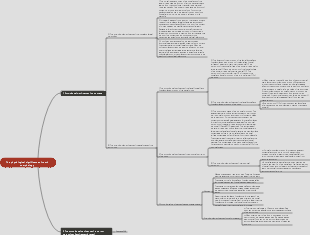
lymph nodes and lymphatic vessels
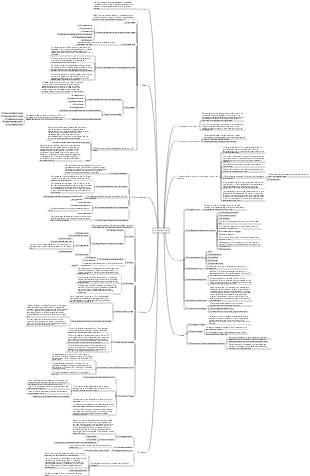
1. Head and facial lymph nodes
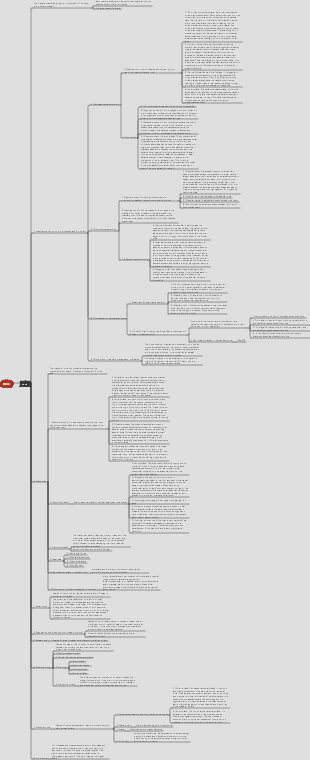
The head and face lymph nodes mainly refer to the lymph node group from the occiput, periauricular, parotid gland to the zygomatic and facial region. From back to front, they are occipital lymph nodes, retroauricular lymph nodes, parotid lymph nodes and facial lymph nodes. Except for the deep parotid lymph nodes, most of the lymph node groups in this group are located shallowly, and their lymphatic output vessels often merge into the deep cervical lymph nodes.
(1) Occipital lymph nodes
Occipital lymph nodes: 1 to 5, located on the superficial surface of the occipital bone of the trapezius muscle, subcutaneous part of the occipital part, and deep surface of the splenium capitis muscle. They are divided into superficial and deep occipital lymph node groups. There are about 1 to 3 superficial occipital lymph nodes and 1 to 2 deep occipital lymph nodes. Collect lymph from the occipital area, the skin above the neck, and lymph from the deep muscles of the neck. The efferent ducts of the occipital lymph nodes drain into the superficial cervical lymph nodes and accessory neural lymph nodes. When occipital lymph nodes swell, they can compress the occipital nerve, causing pain in the area where the nerve is distributed.
(2) Lymph nodes behind the ear
Also known as mastoid lymph nodes, there are 2 to 3 lymph nodes. They are located on the deep surface of the deep fascia between the mastoid part and the back of the auricle and the front edge of the insertion point of the mastoid muscle. They are located on the deep side of the postauricular muscle and are arranged along the postauricular artery. Collect lymph from the parietal area, temporal area, mastoid area, tympanic membrane, the back of the auricle and the posterior wall of the external auditory canal. Its output tube enters the subauricular lymph node forward and then injects into the superficial cervical lymph node, or enters through the anterior and posterior edges of the sternocleidomastoid muscle. Its deep superior cervical lymph nodes and accessory neural lymph nodes. In children, the occurrence rate of lymph nodes behind the ear is higher, but in the elderly, lymph nodes behind the ear are often absent. The lymph nodes in this range can go directly to the subauricular lymph nodes and the deep upper cervical lymph nodes.
(3) Parotid lymph nodes
Parotid lymph nodes: They are a large group of lymph nodes on the face, usually about 20. According to the positional relationship between lymph nodes and parotid gland, they can be divided into: superficial parotid gland lymph nodes and deep parotid gland lymph nodes.
1. Superficial lymph nodes of parotid gland: 3~5
(1) Preauricular lymph nodes: They are located in front of the tragus, superficial to the parotid masseter fascia and between the parotid gland and the parotid gland. They are often arranged along the superficial temporal artery and vein. About 2/3 of people have these lymph nodes, usually 1 to 4.
(2) Subauricular lymph nodes: There are 1 to 4 lymph nodes on the surface of the lower end of the parotid gland, located at the front edge of the sternocleidomastoid muscle and where the retromandibular vein leaves the gland. They are distributed along the retromandibular vein.
2. Deep parotid lymph nodes: 5 to 10 located in the parotid gland and gathered around the retromandibular vein and facial nerve. The deep parotid lymph node efferent duct terminates along the external carotid artery in the cervical digastric lymph node of the deep superior cervical lymph node.
(4) Facial lymph nodes
Facial lymph nodes: small and unstable, generally located in the subcutaneous cellular tissue of the face, superficial to the facial muscles, and arranged along the facial artery and facial vein. When there is inflammation or tumor on the face, facial lymph nodes can cause reactive enlargement or be discovered to be involved and swollen. divided into four groups
1. Supramaxillary lymph nodes: They are the most common facial lymph nodes, located at the front edge of the masseter muscle and in front and behind the facial artery.
2. Buccal lymph nodes: located on the surface of the buccinator muscle and about 1cm below the parotid duct
3. Infraorbital lymph nodes: Also called nasolabial lymph nodes, they are rare and located near the infraorbital foramen.
4. Zygomatic lymph nodes: relatively rare, located below the outer canthus of the eye and superficial to the zygomatic expressive muscles.
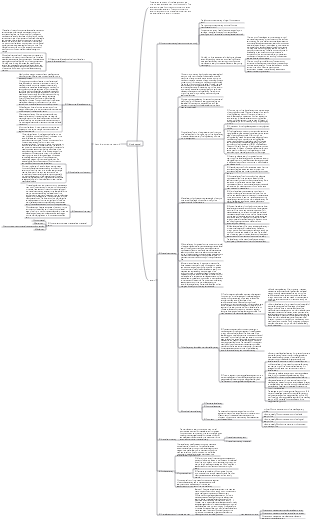
2. Neck lymph nodes
Superficial cervical lymph nodes: usually 1 to 2, sometimes absent and sometimes as many as 4. It terminates in the deep cervical lymph nodes deep to the sternocleidomastoid muscle.
Deep cervical lymph nodes: They are the largest group of lymph nodes in the neck. There are about 15 to 30 lymph nodes from the base of the skull to the base of the neck. They are arranged in a triangle along the internal jugular vein, accessory nerve, transverse cervical artery and vein.
(1) Level I lymph nodes (Level I)
Level I lymph nodes include submental lymph nodes (IA) and submandibular lymph nodes (IB), which are mainly distributed in the submandibular triangle and submental triangle areas and collect most of the lymph that flows back from the oral and maxillofacial tissues.
Explanation:
Sentinel lymph node: This lymph node is clinically important. It receives lymph from the back of the tongue, nasopharynx, palatine tonsils and the root of the nose. When inflammation exists in its collection area or cancer metastasis occurs, this lymph node is often involved first.
Virchow's lymph node: clinically a single enlarged supraclavicular lymph node. Usually refers to the swollen lymph node on the left supraclavicular bone.
3. Cervical lymphatic trunks and lymphatic ducts
(1) Cervical lymphatic trunk
Cervical lymphatic trunk: formed by the efferent ducts of deep and inferior cervical lymph nodes. The left and right cervical lymphatic trunks enter the thoracic duct or right lymphatic duct respectively, and sometimes directly enter the venous angle, subclavian vein or internal jugular vein.
(2) Right lymphatic duct
Right lymphatic duct: It is formed by the confluence of the right cervical lymphatic trunk, the right subclavian lymphatic trunk and the right bronchomediastinal lymphatic trunk, and empties into the right venous angle. Sometimes the three lymphatic trunks enter directly into the right venous angle, or directly into the right subclavian vein or right internal jugular vein.
(3) Cervical section of thoracic duct
Thoracic duct: It goes up through the posterior mediastinum to the left side of the cervical root, to between the esophagus and the origin of the left subclavian artery, and then passes through the deep honeycomb tissue of the left cervical sheath, where it is often connected to the lowermost part of the deep inferior cervical lymph nodes. Lymph nodes are in close contact. It turns to the outside and front at about the level of the seventh cervical vertebra, and downwards to form the arch of the thoracic duct.
4. Division of deep cervical lymph nodes and traditional grouping of head and neck lymph nodes
(1) Division of deep cervical lymph nodes