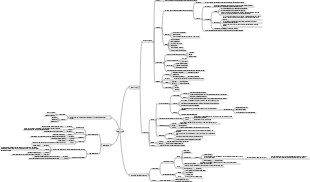
MindMap Gallery Endocrine System
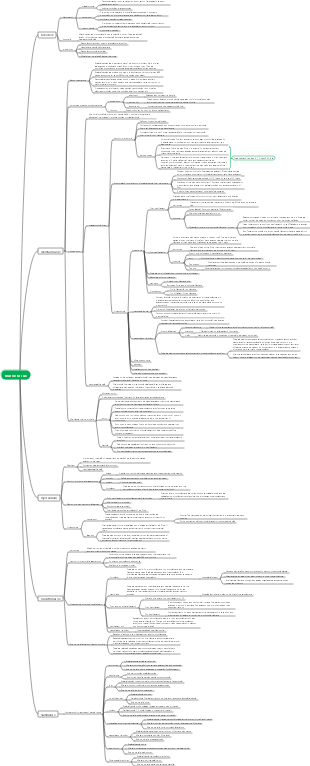
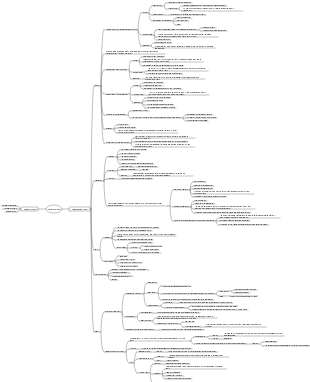
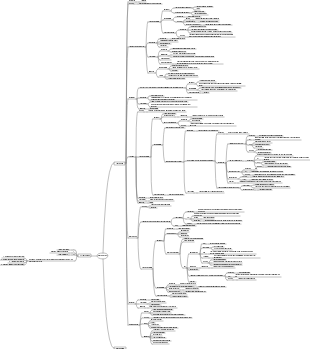
The endocrine system is one of the two major control systems responsible for regulating the normal operation of various physiological functions in the body. It is composed of ductless glands (endocrine glands) that secrete hormones (hormones).
Edited at 2023-11-09 12:01:33This is a mind map about bacteria, and its main contents include: overview, morphology, types, structure, reproduction, distribution, application, and expansion. The summary is comprehensive and meticulous, suitable as review materials.

This is a mind map about plant asexual reproduction, and its main contents include: concept, spore reproduction, vegetative reproduction, tissue culture, and buds. The summary is comprehensive and meticulous, suitable as review materials.
This is a mind map about the reproductive development of animals, and its main contents include: insects, frogs, birds, sexual reproduction, and asexual reproduction. The summary is comprehensive and meticulous, suitable as review materials.
This is a mind map about bacteria, and its main contents include: overview, morphology, types, structure, reproduction, distribution, application, and expansion. The summary is comprehensive and meticulous, suitable as review materials.
This is a mind map about plant asexual reproduction, and its main contents include: concept, spore reproduction, vegetative reproduction, tissue culture, and buds. The summary is comprehensive and meticulous, suitable as review materials.
This is a mind map about the reproductive development of animals, and its main contents include: insects, frogs, birds, sexual reproduction, and asexual reproduction. The summary is comprehensive and meticulous, suitable as review materials.
Endocrine System
hormone
Paracrine
target cells/target organs
receptor
Classification
Nitrogenous hormone
Electron microscopy
Rough noodles
Gore
secretory granules
secretory glands
thyroid
Adrenal gland
pituitary
Endocrine cells of other organs
disperse or gather
steroid hormones
distributed
adrenal cortex
gonad
Electron microscopy
Slippery noodles
Mitochondria
lipid droplets
no secretory granules
composition
endocrine glands
composition
pineal gland
thyroid
shape
surface
Thin connective tissue capsule, left and right lobes
substance
thyroid follicle
composition
follicular epithelial cells
single layer cube
Gum
Eosinophilic, iodinated thyroglobulin
structure
Light microscopy
Function active
Increased cell height and low columnar shape, decreased glial cells
functional quiescence
Cells become short and flat, and glial cells increase
Electron microscopy
Rough noodles
Gore
mitochondria
lysosome
secretory granules
glial vesicles
intact basement membrane
Function
Synthesize and secrete thyroid hormone
Formation process
synthesis
storage
iodination
reabsorption
break down
freed
Function
Promote body metabolism
Promote growth and development
Increase nervous system excitability
abnormal
cretinism, myxedema
Hyperthyroidism, weight loss, exophthalmos
parafollicular cells
distributed
between follicles and between follicular epithelial cells
structure
Light microscopy
HE staining is light, silver staining is brown and black and contains argyrophilic secretory granules.
Electron microscopy
The top is covered by adjacent follicular epithelial cells
effect
Secrete calcitonin, promote osteoblast activity, and reduce blood calcium concentration
parathyroid gland
distributed
Behind the left and right lobes of the thyroid gland
shape
Adventitial connective tissue
Parenchymal gland cells are arranged in cords
chief cell
Light microscopy
The largest number, polygonal shape, central nuclear circle, light HE staining
Function
secretes parathyroid hormone
Acts on bone cells and osteoclasts, increasing blood calcium
eosinophils
Beginning of puberty
Light microscopy
Large, small and deeply stained nuclei, strong eosinophilic cytoplasm
Electron microscopy
Mitochondria
Adrenal gland
shape
capsule (connective)
substance
Cortex (80%)
cortical cells
Globular band (15%)
distributed
below the membrane
Light microscopy
The cells are small, pellet-shaped, cone-shaped, with small and dark nuclei, less cytoplasm, and sinusoids in between.
Function
Mineralocorticoids (aldosterone)
Promote distal convoluted tubule and collecting duct to retain sodium and excrete potassium to maintain normal blood volume
Belt (78%)
distributed
spherical zone deep surface
Light microscopy
The cells are large, cord-shaped, polygonal, with large and light-colored nuclei. The cytoplasm contains lipid droplets and is foamy, with blood sinusoids in between.
Function
Glucocorticoids (cortisol)
Promote the breakdown of protein and fat into sugar
Suppress immune response, anti-inflammatory
Mesh belt (7%)
distributed
innermost layer of cortex
Light microscopy
Small, dark nuclei, eosinophilic, lipofuscin
Function
androgens
small amounts of estrogen
small amounts of glucocorticoids
Hormones secreted by cortical cells are steroids
Sinusoids
small amount of connective tissue
medulla
composition
cord-like medullary cells (chromaffin cells)
Electron microscopy
Contains secretory granules with high electron density
Light microscopy
Polygonal, round core, light color, basophilic
Classification
adrenergic cells
Adrenaline
Increased heart rate and dilation of blood vessels in the heart and skeletal muscles
norepinephrine cells
Norepinephrine
Vasoconstriction, increased blood pressure, and accelerated blood flow within the heart, brain, and skeletal muscles
Sinusoids
small amount of connective tissue
sympathetic ganglion cells
central vein
pituitary
adenohypophysis
distal part
gland cells
chromophiles
Eosinophilic (more)
growth hormone (GH)
underage
dwarfism
gigantism
adult
acromegaly
Prolactin (PRL)
Basophilic (less)
thyroid stimulating hormone TSH
adrenocorticotropic hormone ACTH
Glucocorticoids that promote zona fasciculata
gonadotropins
follicle stimulating hormone FSH
follicle stimulating for women
Men stimulate the supporting cells of the seminiferous tubules to synthesize androgens to promote spermatogenesis
Luteinizing hormone LH
Promote ovulation and corpus luteum in women
Men promote testicular Leydig cells to secrete androgens
chromophobe cells
Large number, small size, less cytoplasm, light coloring, unclear cell boundaries, and a small number of secretory granules
Sinusoids
connective tissue
middle part
Follicle
basophils
Melanocyte stimulating hormone MSH
chromophobe cells
tubercle
vertical capillaries
gland cells
chromophobe cells
Eosinophils and basophils (less)
pituitary portal system
The relationship between hypothalamus and adenohypophysis
arcuate nucleus
release hormone
release inhibitory hormone
neurohypophysis
composition
Department of Neurology
funnel
funnel handle
Median eminence
Element
unmyelinated nerve fibers
hypothalamic neurohypophyseal tract
supraoptic nucleus and paraventricular nucleus
Herlin body
Vasopressin/antidiuretic hormone
Oxytocin
funnel
Pituitary cells
Glial cells of the nervous system
capillary network
Features
No catheter, secretions enter the circulatory system directly
Glandular cells are arranged in cords, reticulates, masses or follicles
Rich in capillaries and lymphatic capillaries
endocrine cell mass
islet
Follicle
corpus luteum
scattered endocrine cells
gastrointestinal endocrine cells