MindMap Gallery male reproductive system
The main function of the male reproductive system is to produce sperm and secrete male hormones. In addition, it also serves as a scaffold to support the body and maintain body balance and coordination during exercise.
Edited at 2023-11-09 12:00:56This is a mind map about bacteria, and its main contents include: overview, morphology, types, structure, reproduction, distribution, application, and expansion. The summary is comprehensive and meticulous, suitable as review materials.

This is a mind map about plant asexual reproduction, and its main contents include: concept, spore reproduction, vegetative reproduction, tissue culture, and buds. The summary is comprehensive and meticulous, suitable as review materials.
This is a mind map about the reproductive development of animals, and its main contents include: insects, frogs, birds, sexual reproduction, and asexual reproduction. The summary is comprehensive and meticulous, suitable as review materials.
This is a mind map about bacteria, and its main contents include: overview, morphology, types, structure, reproduction, distribution, application, and expansion. The summary is comprehensive and meticulous, suitable as review materials.
This is a mind map about plant asexual reproduction, and its main contents include: concept, spore reproduction, vegetative reproduction, tissue culture, and buds. The summary is comprehensive and meticulous, suitable as review materials.
This is a mind map about the reproductive development of animals, and its main contents include: insects, frogs, birds, sexual reproduction, and asexual reproduction. The summary is comprehensive and meticulous, suitable as review materials.
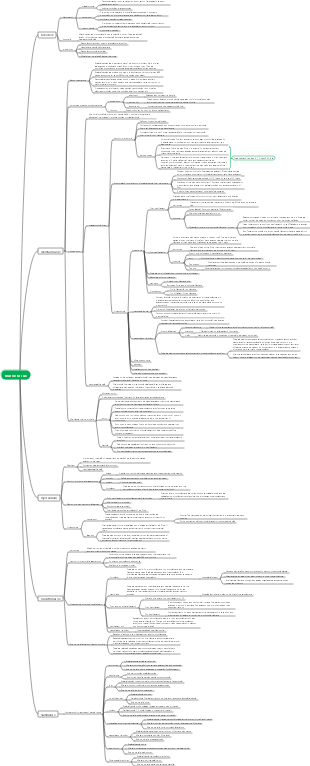
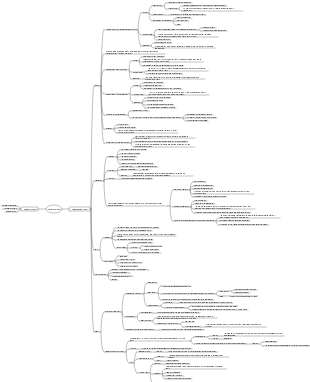
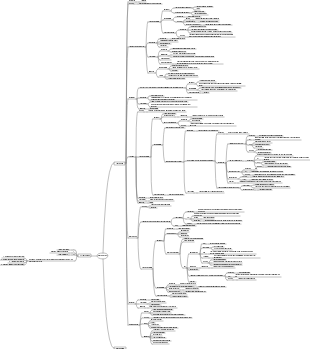
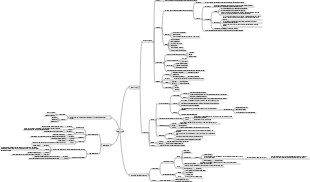
male reproductive system
external genitalia
accessory glands
prostate
seminal vesicle
bulbourethral gland
testis
General structure
surface
Shallow layer
Serosa (visceral layer of tunica vaginalis)
Deep
Albuginea (dense connective tissue) (the thickened posterior edge is the testicular mediastinum)
substance
250 testicular lobules
Seminiferous tubules → seminiferous tubules → rete testis
Testicular interstitium (loose connective tissue)
composition structure
seminiferous tubule
seminiferous epithelium
supporting cells
structure
LM:
Irregular long tapered shape
The cell body extends from the base of the seminiferous epithelium to the luminal surface
The cell outline is unclear (spermogenic cells at all levels are embedded on the side)
The nucleus is oval or triangular, lightly stained, and has obvious nucleoli.
EM:
Steroid hormone cell characteristics
tight connection
basal compartment
Near chamber
Function
Supports and nourishes spermatogenic cells at all levels
Synthetic and secreted androgen binding protein
Secretion of inhibin (feedback inhibition of pituitary secretion of follicle-stimulating hormone)
Phagocytosis and digestion of residual cytoplasm
Involved in the composition of the blood-testis barrier
Location
between seminiferous tubules and blood
composition
capillary endothelium
endothelial basement membrane
connective tissue
seminiferous epithelial basement membrane
Support tight junctions between cells
Function:
Prevent certain substances from entering the seminiferous epithelium and form a microenvironment conducive to spermatogenesis.
Prevent sperm antigens from escaping out of the seminiferous tubules and causing autoimmune reactions
spermatogenic cells
composition
Spermatogonia (close to basement membrane)
Type A
structure
Nucleus is oval, chromatin is dense
Function
Part of it divides and proliferates as stem cells
Some differentiate into type B
Type B
structure
The nucleus is round and there are coarse chromatin granules around the nucleus.
Function
differentiate into primary spermatocytes
Primary spermatocytes (near lumen, larger size)
The nucleus is large round, globular, with thick or thin chromatin filaments.
Primary spermatocytes at different stages of division can be seen in the section of the reproductive tubules.
secondary spermatocytes
Nuclear round color dark
The section of seminiferous tubules is difficult to see
sperm cells
Nucleus is round, chromatin is dense
sperm formation
sperm
Function
spermatogenesis
include
Spermatogonia proliferation
spermatocyte meiosis
sperm formation
condition
An environment 2 to 3 degrees below body temperature
Cryptorchidism (male infertility)
The number of abnormal sperm is greater than 40% (male infertility)
outside of basement membrane
Collagen fibers
myoid cells
Contraction facilitates sperm expulsion
Testicular interstitium
Loose connective tissue (rich in blood vessels and lymphatic vessels)
Leydig cells
LM
Distributed in groups, round or polygonal, round nuclei, eosinophilic cytoplasm
EM
Ultrastructural Characteristics of Steroid Hormone-Secreting Cells
Function
Secrete androgens
Initiate and maintain spermatogenesis
Promote the development of male reproductive organs
Maintain male secondary sex characteristics
Maintain sexual function
straight seminiferous tubule
Single layer cuboidal or dwarf columnar, no spermatogenic cells
Function
Produce sperm and secrete male hormones
endocrine regulation
reproductive tract
epididymis
structure
Output tube (head)
High columnar ciliated cells and low columnar cells are alternately arranged → irregular lumen
Epididymal duct (body, tail)
pseudostratified ciliated columnar epithelium
basal cells
Short, tapered, deep epithelium
chief cell
Tall columnar with long stereocilia
Therefore, the cavity surface is regular and neat, filled with sperm and secretions.
Function
Sperm stay in the epididymis for about 8 to 17 days, and under the influence of epithelial cell secretions, they reach functional maturity and acquire motility.
Epididymal epithelial cells secrete carnitine, glycerophosphocholine, sialic acid, etc. to promote sperm maturation
vas deferens
Mucous membrane
Pseudostratified columnar epithelium (thin)
Muscle layer
Smooth muscle (thick)
inner vertical, middle ring, outer vertical
adventitia
ejaculatory duct
urethra